Angelica: A Script Font That Brings Grace to Every Design
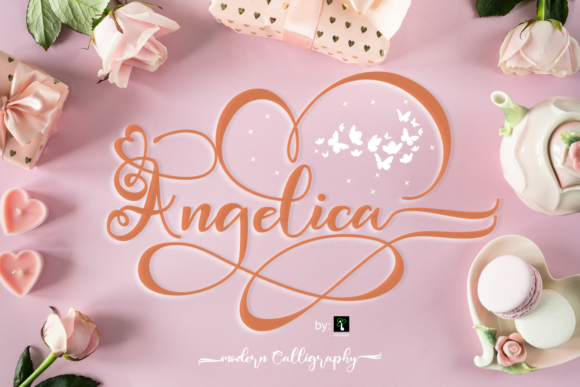
There's something magnetic about a font that feels alive on the page. You know the type—letters that flow like handwritten notes from a friend, curves that catch the eye without demanding attention, and a personality that quietly elevates everything it touches. Angelica is exactly that kind of typeface. As a thin-lettered, graceful script font, it carries an elegance that works beautifully across a surprising range of creative projects. Whether you're designing wedding invitations, crafting social media graphics, or building out a brand identity from scratch, this font brings a refined charm that's hard to replicate with more rigid typefaces.
What Makes a Script Font Like Angelica Stand Out
Not all script fonts are created equal. Some lean too far into casual territory—great for a weekend brunch menu, but falling flat when you need something polished. Others swing the opposite direction, becoming so ornate that readability suffers the moment you move beyond a headline. Angelica sits in a sweet spot. Its thin, graceful letterforms give it a delicate, airy quality without sacrificing legibility. The strokes feel intentional, the connections between letters are smooth, and the overall rhythm of the typeface creates a sense of movement that draws readers in.
For anyone working in visual communication, that balance matters more than most people realize. A script font that's too busy can overwhelm a design. One that's too plain won't leave a lasting impression. Angelica manages to be visually striking while remaining versatile enough to adapt to different contexts. It's the kind of creative font you reach for when you want your project to feel personal, thoughtful, and polished all at once.
Where Angelica Truly Shines: Real-World Applications
Let's talk about where this typeface actually works, because understanding practical application is what separates a good design decision from a frustrating one.
Wedding Invitations and Event Stationery — This is probably the most natural home for Angelica. The flowing, elegant script evokes the romance and formality that invitations demand. But it also works well for save-the-dates, RSVP cards, envelope addressing, and day-of signage. If you're a stationery designer or a bride handling DIY invitations, a font like this gives you that custom calligraphy look without the hefty price tag of hiring a lettering artist.
Logo Design and Brand Identity — There's a reason script fonts remain popular in branding. They communicate warmth, authenticity, and approachability. Angelica works particularly well for businesses that want to project a boutique or artisanal feel—think florists, bakeries, photography studios, beauty brands, and lifestyle blogs. Paired with a clean sans serif font for body text, it creates a logo system that feels cohesive and memorable. The key is using it strategically. A script font in a logo should be readable at a glance, and Angelica's thin, well-spaced letterforms hold up nicely even at smaller sizes.
Social Media Graphics — If you've spent any time creating content for Instagram, Pinterest, or Facebook, you know how important typography is for stopping the scroll. Angelica brings an elevated, editorial quality to quote graphics, promotional posts, story templates, and carousel designs. It's especially effective when you pair it against a clean background with plenty of white space. The font does the heavy lifting visually without cluttering your layout.
Packaging and Product Labels — For small business owners selling physical products, packaging design is one of the most direct ways to communicate your brand's personality. A script font like Angelica adds a handcrafted, premium feel to labels, tags, boxes, and wrapping. It works beautifully for artisan goods, cosmetics, candles, gourmet food items, and handmade jewelry. The thin lettering gives it a sophisticated edge that suggests quality without being pretentious.
Website Headers and Blog Graphics — While Angelica isn't designed for body text on websites (and you shouldn't use any script font that way), it makes a stunning choice for headers, hero sections, pull quotes, and featured image overlays. Bloggers and content creators can use it to add visual interest to their site without sacrificing the readability that a good sans serif or serif font provides for longer passages.
Print Materials and Marketing Collateral — From business cards and brochures to posters and flyers, Angelica brings a touch of elegance to printed pieces. It's particularly effective for industries where aesthetics drive purchasing decisions—fashion, hospitality, wellness, and creative services. A well-placed script headline on a postcard or rack card can make the difference between something that gets tossed and something that gets pinned to a board.
Pairing Angelica With Other Typefaces
One of the most practical skills in design is knowing how to combine fonts. No typeface works in isolation, and the best designs typically use two or three fonts that complement each other. Angelica, as a script font, pairs best with typefaces that offer contrast without competition.
A clean, geometric sans serif is a natural partner. Fonts like Montserrat, Raleway, or Lato provide a modern, neutral counterbalance to Angelica's flowing curves. For a more classic or editorial feel, consider pairing it with a traditional serif like Garamond, Playfair Display, or Cormorant. The contrast between the structured serif and the organic script creates visual interest while maintaining readability.
A practical tip: limit your script font usage to headlines, subheadings, or accent text. Let your secondary font handle paragraphs, captions, and smaller text elements. This approach keeps your design clean and ensures your audience can actually read the content without squinting.
Understanding the PUA Encoding Advantage
Here's something that matters more than many designers initially realize. Angelica is PUA encoded, which stands for Private Use Area encoding. In practical terms, this means every glyph, swash, and alternate character included with the font is accessible regardless of what software you're using. Whether you're working in Adobe Illustrator, Photoshop, Canva, Microsoft Word, or a web-based design tool, you can access the full character set.
This is a significant advantage. Many premium fonts include beautiful alternates and decorative elements, but without proper PUA encoding, those extras remain locked away unless you're using specific professional applications. For small business owners, content creators, and hobbyists who rely on accessible tools, PUA encoding removes that barrier entirely. You get the full design capability of the font without needing advanced software or technical workarounds.
Making Smart Typography Decisions for Your Projects
Choosing the right font is less about following trends and more about aligning your typography with your project's goals. Before selecting Angelica—or any typeface—ask yourself a few questions:
- What emotion should this design communicate? Script fonts like Angelica convey elegance, warmth, and personality. If your project calls for something authoritative or minimalist, a different style might serve better.
- Who is the audience? A wedding invitation audience expects a different visual language than a tech startup's landing page. Understanding your audience helps you choose typefaces that resonate rather than confuse.
- Where will the design appear? Print and digital have different requirements. A font that looks gorgeous on a 5x7 invitation might lose its impact on a small mobile screen. Test your designs at the sizes and formats your audience will actually encounter.
- Is the font readable in context? Beauty without readability is decoration, not design. Always test your typography at actual viewing distances and sizes before finalizing.
Commercial licensing is another consideration worth mentioning. If you're using Angelica for client work, merchandise, or products you intend to sell, make sure your license covers that use. Most premium fonts offer different licensing tiers, and understanding the terms protects both you and your clients.
Bringing It All Together
Typography is one of those design elements that works best when you don't notice it directly—it simply makes everything around it feel more cohesive, more intentional, and more professional. Angelica does this exceptionally well. Its graceful, thin-lettered script style adds personality and polish without overpowering a design. Whether you're building a brand identity from the ground up, creating a one-time event invitation, or developing a library of social media templates, having a versatile, well-crafted script font in your design toolkit is genuinely valuable.
The best way to understand what Angelica can do for your work is to start using it. Experiment with pairings, test it across different projects, and pay attention to how it changes the feel of your designs. You might be surprised at how often that elegant, flowing script becomes your go-to choice for projects that need a little extra grace.