Old Jersey: A Vintage Font with Modern Character
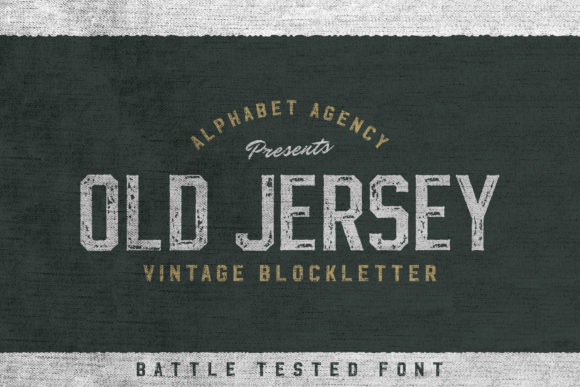
There's something about a typeface that feels like it has a story to tell. You know the one—it catches your eye not because it's the loudest in the room, but because it carries a quiet confidence. Old Jersey is exactly that kind of font. With its cool, vintage-inspired aesthetic and deliberately rough texture, it brings a sense of authenticity and craftsmanship that's increasingly rare in a world saturated with smooth, sterile digital typefaces.
What makes Old Jersey stand out isn't just its appearance. It's the way it communicates. The slightly worn edges, the nod to classic signage and athletic typography, the weight and presence it commands on any surface—these qualities make it more than just a display font. It becomes a design element in its own right, one that can anchor a visual identity or add depth to a creative project without overwhelming the rest of your layout.
Where Typography Meets Personality
Every font carries a mood. A clean sans serif whispers modernity and efficiency. A delicate script font suggests elegance and intimacy. Old Jersey, on the other hand, speaks in a voice that's grounded, nostalgic, and unmistakably bold. It channels the spirit of vintage sports jerseys, old warehouse signage, and weathered letterpress prints—the kind of typography you'd spot on a hand-painted shopfront in a historic district or stamped on a leather goods label.
This personality makes it particularly well-suited for projects where you want to evoke trust, heritage, or a handmade quality. Think about a small-batch coffee roaster designing new packaging. The moment you set the brand name in Old Jersey, the label starts to feel artisanal before the customer even reads a word. The same principle applies to a craft brewery, a barbershop, a motorcycle brand, or an independent clothing line. The font does heavy lifting in establishing tone and expectation.
Practical Applications That Actually Work
One of the strongest qualities of Old Jersey is its adaptability. Despite being a display font with a very specific vintage character, it doesn't box you into one aesthetic. Here's where it shines in real-world use:
- Logo design: Old Jersey gives logos immediate weight and memorability. It works especially well for brands that want to project ruggedness, reliability, or a connection to tradition.
- Packaging: Whether it's a kraft paper bag for artisan goods or a matte-finish bottle label, the textured quality of this typeface adds tactile appeal even in a two-dimensional format.
- Social media graphics: Bold display fonts cut through the noise of a crowded feed. Old Jersey pairs beautifully with simple backgrounds and minimal layouts, making it ideal for quote graphics, announcements, and branded content templates.
- Website headers and hero sections: A striking headline set in Old Jersey can set the entire mood for a homepage or landing page. It draws visitors in and establishes visual identity within seconds.
- Print materials: Posters, flyers, business cards, and event invitations all benefit from a typeface that feels intentional. Old Jersey brings a polished-yet-approachable quality to any printed piece.
- Merchandise: T-shirts, hats, tote bags, stickers—if you're creating branded merchandise, a vintage display font like this one often outperforms trendier alternatives because it doesn't date as quickly.
- Editorial layouts: Magazine features, blog headers, and book covers can all use Old Jersey to create visual hierarchy and draw readers into a story.
The key takeaway here is that Old Jersey doesn't just decorate a design. It contributes to the narrative. It tells your audience something about the brand or project before they engage with the actual content.
Pairing Old Jersey with Other Typefaces
A display font rarely works in isolation. You need supporting typefaces for body text, subheadings, captions, and functional UI elements. The good news is that Old Jersey's vintage serif character makes it surprisingly versatile when it comes to font pairing.
For a clean, modern contrast, try pairing it with a simple sans serif font for your body copy. The juxtaposition of rough, textured headlines against smooth, readable paragraphs creates visual interest without feeling chaotic. Think of combinations like Old Jersey with a geometric sans serif for a contemporary take on vintage branding, or with a humanist sans serif for something warmer and more approachable.
If you're going for a more layered, editorial feel, consider introducing a third typeface—a subtle script or handwritten font for accents, pull quotes, or callouts. Just be careful not to overcrowd your design. Three typefaces is generally the upper limit before things start to feel cluttered, and each one should serve a distinct purpose.
Always test your pairings in context. Set real headlines, real paragraphs, and real interface copy. Look at how the fonts interact at different sizes, on different backgrounds, and across different media. What looks great on your laptop screen might not translate well to a printed poster or a mobile phone display.
Readability and Practical Considerations
Because Old Jersey is a display typeface with textured, vintage detailing, it's important to use it strategically. Display fonts are designed for impact at larger sizes—think headlines, titles, logos, and featured text. They're not meant for long paragraphs or small-scale body copy, where their decorative qualities can actually hinder readability.
Use Old Jersey where it will be seen and appreciated: at the top of a page, on a product label, across a banner, or on the front of a t-shirt. For everything else, let a well-chosen serif or sans serif do the work. This approach not only protects readability but also preserves the impact of your display font. When Old Jersey appears sparingly and intentionally, it feels special every time.
Pay attention to letter spacing and line height as well. Vintage and textured fonts sometimes benefit from slightly increased tracking, especially at smaller display sizes. A little extra breathing room between letters can improve legibility while maintaining the font's character.
Choosing the Right Font for Your Brand Identity
Selecting a typeface for a brand or project is one of the most consequential design decisions you'll make. Typography shapes perception. It influences how people feel about your business before they've read a single testimonial or tried a single product.
Old Jersey is an excellent choice for brands that want to communicate authenticity, durability, and a sense of history. It works beautifully for businesses in food and beverage, outdoor and adventure, grooming, fashion, fitness, and creative services. If your brand story involves craftsmanship, tradition, or a rebellious streak, this typeface aligns naturally with that message.
That said, no font is universally perfect. If your brand leans heavily into luxury minimalism or cutting-edge technology, a vintage rough-textured display font might send mixed signals. Typography should reinforce your brand voice, not contradict it. Take the time to consider what your audience expects, what your competitors are doing, and where you want to position yourself visually.
Before committing to any premium font for commercial use, review the licensing terms carefully. Make sure the license covers all your intended applications—whether that's digital products, printed merchandise, or client work. Understanding these details upfront saves headaches later and ensures you're using design assets responsibly.
Making the Most of Your Design Assets
Great design is about more than choosing the right tools. It's about using them with intention. Old Jersey gives you a versatile, character-rich typeface that can elevate branding, packaging, social media graphics, web design, and print materials. But its true value emerges when you pair it with thoughtful layout decisions, consistent brand guidelines, and a clear understanding of your audience.
Experiment with it. Set your business name in it. Mock up a poster. Try it on a product label. See how it feels in the context of your specific project. The best typography decisions come from testing and iteration, not from scrolling through font previews in isolation.
When a typeface like Old Jersey clicks with a project, you feel it immediately. The design starts to breathe. The message sharpens. And suddenly, the visual identity you've been building has a voice that's unmistakably yours.