Southern: The Handwritten Font for Effortless Elegance
There's a particular feeling you get when you stumble upon a design element that just works. It’s not just about looking pretty; it’s about communicating a mood, a story, a sense of authenticity that resonates instantly. That’s the magic a truly exceptional handwritten font can bring to a project. Among the sea of options, some typefaces manage to capture a timeless, human quality that feels both personal and polished. This is where a font like Southern enters the conversation, offering a blend of casual elegance and versatile character that can transform the ordinary into something memorable.
Capturing a Mood, Not Just a Style
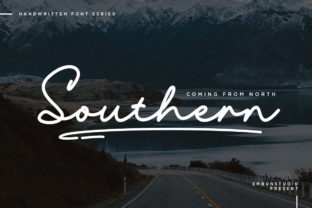
What makes a handwritten font like Southern stand out? It’s the subtle imperfections, the natural flow of the letterforms that mimic the rhythm of actual pen on paper. This isn’t a rigid, overly digitized script. It carries a warmth and approachability that sterile sans serifs often lack. The elegance here is quiet—it doesn’t scream for attention with elaborate swirls, but rather invites you in with its balanced, legible strokes. This makes it a powerful tool for designers and creators who want to inject personality without sacrificing clarity. Think of it as the typographic equivalent of a friendly, confident voice.
This quality makes it particularly effective for projects where connection is key. A small business owner crafting their brand story, a blogger building a community, or a designer creating packaging for an artisanal product—they all need to bridge the gap between professionalism and personal touch. A well-chosen handwritten font does exactly that, serving as a foundational element of a cohesive brand identity.
Where This Font Truly Shines: Practical Applications
Theory is one thing, but seeing a font in action is where its value becomes clear. Let’s explore some real-world scenarios where a typeface with Southern’s character proves its worth.
- Branding & Logo Design: For brands aiming for a boutique, artisanal, or approachable feel, a script or handwritten font can be the cornerstone of the logo. It works beautifully for bakery logos, wedding planners, boutique clothing labels, or any service-based business where trust and personality are paramount. Paired with a simple sans serif font for body text, it creates a dynamic and readable visual hierarchy.
- Packaging & Labels: On product packaging, typography tells a story before the customer even reads the words. A font like Southern on a jam jar label, a craft coffee bag, or a skincare product instantly communicates handcrafted quality and care. It elevates the perceived value and helps the product stand out on a crowded shelf.
- Digital Presence & Marketing: Your website, blog, and social media graphics are your digital handshake. Using a distinctive display font for headlines or pull quotes on your site can guide the reader’s eye and break up monotonous text. On social media, it’s perfect for creating quote graphics, promotional banners, or story highlights that feel personal and engaging, boosting audience interaction.
- Print & Editorial Design: Don’t limit creative fonts to digital. They are fantastic for editorial design elements in magazines, lookbooks, or zines—think chapter headings, article titles, or folio page numbers. For printed materials like event posters, business cards, or thank-you notes, a handwritten font adds a tactile, memorable quality that digital often can’t replicate.
- Invitations & Special Occasions: This is perhaps the most classic use. Wedding invitations, baby shower announcements, milestone birthday cards—a font with this level of elegance and readability is ideal. It sets the tone for the event and makes each piece feel custom-designed.
- Merchandise & Digital Products: For creators selling t-shirts, mugs, or tote bags, the right font can become a recognizable part of the merch itself. Similarly, for digital products like planners, worksheets, or printable art, a beautiful script font can make the download feel more valuable and aesthetically pleasing.
Making it Work: Pairing, Readability, and Licensing
Having a great font is just the first step. Using it effectively is what separates good design from great design. Here’s some practical advice for implementation.
Font Pairing is Your Best Friend. A handwritten or script font is rarely used alone for large blocks of text. The key is to pair it with a complementary typeface. A classic approach is to use your elegant script for headlines and pair it with a clean, modern sans serif or a traditional serif font for body copy. This ensures your main content remains highly readable while the script adds flair. Test your pairings by putting them side-by-side in a mock-up. Do they feel balanced? Does one overpower the other?
Readability Considerations. While Southern is designed for legibility, context matters. Avoid using it for very small text, like lengthy paragraphs or detailed disclaimers. It excels at larger sizes where its character can be fully appreciated. Always check how it renders on different backgrounds and in various sizes before finalizing a design. A good practice is to print a test page if the project is for physical materials.
Understanding What You Get. When you invest in a premium font, you’re not just buying a single file. Quality typefaces often include multiple styles—like regular, bold, italic, or even alternate characters and ligatures. Reviewing the included font styles and extras allows you to add more variety and nuance to your designs. Does it come with a web font version for your site? These details are crucial for a smooth workflow.
The Commercial License Question. This is non-negotiable for any professional use. If you’re using a font for a client project, for merchandise you sell, or for your business’s branding, you must have a proper commercial font license. Always read the license agreement carefully. Does it cover the number of users you need? Does it allow for embedding in digital products? Using a font without the correct license can lead to legal issues and undermine the professionalism of your work. It’s an essential part of respecting the craft of type design and protecting your own projects.
The Final Word: It’s About Connection
Choosing typography is a strategic decision as much as an aesthetic one. A font like Southern isn’t just a collection of pretty letters; it’s a tool for building connection. It helps translate the intangible feelings of care, authenticity, and elegance into a visual language that your audience can see and feel. Whether you’re refining a brand identity, designing a marketing campaign, or creating a personal project, the right typeface acts as a silent ambassador for your message. Take the time to test it, pair it thoughtfully, and ensure it aligns with the story you want to tell. When typography and intent align, the result is design that doesn’t just look good—it communicates effectively and leaves a lasting impression.