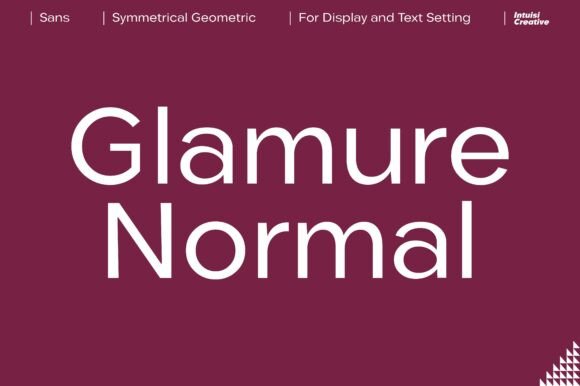
The Anatomy of Elegance: Understanding the Glamure Typeface
If you’ve ever held a piece of luxury packaging or opened a high-end wedding invitation and felt an immediate sense of prestige before you even read the words, you’ve experienced the power of typographic storytelling. In the crowded digital marketplace, where everyone is shouting for attention, the most effective way to stand out is often through whispering. This is where the concept of "Glamure" comes into play. It isn't just a collection of letters; it is a meticulously fashioned aesthetic that embodies the epitome of luxury. Designed with an air of elegance and opulence, this style of typography is built on striking contrasts and graceful strokes, creating a visual language that speaks of refinement.
For designers, entrepreneurs, and creative professionals, choosing a typeface is one of the most critical decisions in the branding process. You aren't just selecting a way to display text; you are choosing the voice of your brand. A font like Glamure is irreplaceable when the goal is to convey high-end quality. It moves beyond mere legibility to offer a sophisticated narrative, transforming standard text into a visual asset. Whether you are a small business owner trying to elevate your boutique packaging or a graphic designer crafting a logo for a luxury client, understanding how to harness this type of creative font is essential for professional presentation.
Visual Characteristics and the Art of Contrast
What makes a premium font like Glamure so visually appealing? It comes down to the anatomy of the letters. Unlike standard sans serif fonts used for body text, display fonts and high-end serif fonts rely on dramatic thick-to-thin transitions. Imagine the thick stem of a capital "H" tapering into a hairline serif; that dynamic movement creates visual energy. This style often draws inspiration from classic typography but updates it with modern curves and sharper edges, resulting in a look that is both timeless and contemporary.
This type of modern typography works because it mimics the strokes of a calligraphy pen or the architecture of Art Deco design. It commands attention without being aggressive. For example, the "swashes" or extended tails often found on letters like 'Q', 'y', or 'g' add a level of ornamentation that suggests handcraft and care. However, as a designer, you must balance these flourishes with readability. While a decorative script font is beautiful, it can become illegible if used at small sizes. The true value of a versatile typeface family is that it offers various weights—perhaps a bold version for impact and a lighter version for subheadings—allowing you to maintain the "Glamure" aesthetic while ensuring the message is clear.
Strategic Applications: From Boutique Packaging to Digital Screens
The utility of a sophisticated typeface extends across nearly every medium of visual communication. Understanding where and how to apply this style can significantly impact your project's success. It is not a "one size fits all" solution, but rather a specialized tool for specific jobs.
Consider the world of packaging design. For a boutique selling artisanal chocolates, high-end cosmetics, or handmade jewelry, the label is the first handshake with the customer. A font that screams refinement elevates the perceived value of the product inside. It suggests that the contents are premium before the box is even opened. Similarly, in editorial design and magazine layouts, a striking display font is used for pull quotes and cover headlines to draw the reader's eye immediately.
In the digital realm, the applications are just as vital:
- Social Media Graphics: Instagram and Pinterest are visual platforms. A distinct typeface helps create stop-scrolling content that increases engagement. It acts as a visual anchor for your brand identity.
- Website Hero Sections: On a landing page, the headline font sets the tone for the entire user experience. A high-end font signals to visitors that they are in the right place for quality services.
- Logo Design: While some logos use custom lettering, many successful logos use modified versions of premium fonts. The right letterform can become the icon of your business.
Furthermore, for those in the events industry, imagine sophisticated invitations. Each letter serves as the perfect prelude to upscale events like galas or weddings. The typography on the card sets the dress code and the atmosphere before a single word is read.
Building Brand Identity Through Typography
Typography is the silent ambassador of your brand. When you allow a single, high-quality typeface to heighten your brand's identity, you are adding a tangible element of value and transcendence. Consistency is key in branding. If you use a chaotic mix of fonts—one for your website, another for your invoices, and a different one for your packaging—your brand looks disjointed and amateurish.
By selecting a "Glamure" style font as your primary display typeface, you anchor your visual identity. This consistency builds brand recognition. Over time, your audience will start to associate that specific style of lettering with your business, even before they read the company name. This is how visual memory works. It helps improve engagement because the audience feels a sense of familiarity and trust.
However, a strong brand identity requires a balanced ecosystem. You rarely use a display font for long paragraphs of text. The elegance of a high-contrast font can cause eye strain if used for body copy. Therefore, you need to master font pairing. A common and effective strategy is to pair your decorative header font with a clean, neutral sans serif font for the body text. This contrast allows the headers to shine while ensuring the content remains highly readable.
Practical Advice for Implementation
If you are ready to integrate this style of typography into your workflow, here are some practical tips to ensure you get the best results. First, always review the included font styles. A professional font package often includes more than just the standard letters. Look for alternates, ligatures (special connections between letters), and multilingual support. These features allow you to customize the look of the text so it doesn't look "generic" or default.
Second, consider the medium. If you are designing for web design, check how the font renders on different browsers and mobile devices. Some highly detailed fonts can lose their sharpness on low-resolution screens. If you are working on print materials like posters or merchandise, ensure the file formats are compatible with your printer's requirements.
Finally, pay close attention to commercial licensing. This is a critical step that many hobbyists and even some professionals overlook. If you are using a font for a client's logo, a product you sell, or a website generating revenue, you generally need a commercial license. Ensure that the license covers your specific usage—whether it's for desktop, web, or app use—to avoid legal issues down the line.
Ultimately, typography is about communication. By choosing a font that embodies luxury and care, you are telling your audience that your brand stands for those same qualities. It is an investment in your visual future.