Why Rainbow Delight is the Handwritten Font Your Projects Need
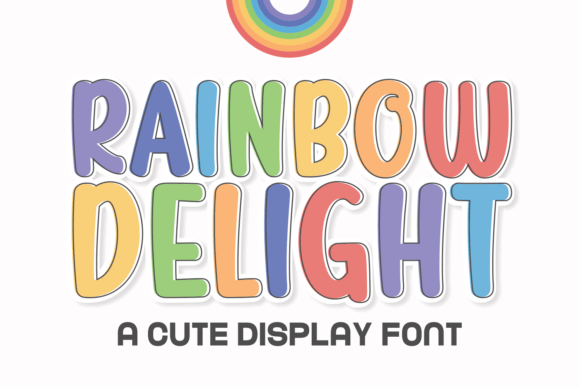
Sometimes a design needs more than just clean lines and perfect geometry; it needs a pulse. If you have ever found yourself scrolling through endless lists of sterile, corporate typefaces looking for something that actually feels human, you aren't alone. We often spend hours trying to find a font that conveys warmth without sacrificing professionalism. That is precisely where Rainbow Delight steps in. It isn't just another typeface sitting in a folder on your desktop; it is a refreshing burst of personality designed to bridge the gap between playful charm and serious design work. With its hefty, chesty contours and undeniable presence, this handwritten font manages to capture the essence of a genuine, personalized note written by a friend.
What makes this typeface stand out in a crowded market of premium fonts is its authentic construction. Many "handwritten" fonts look artificial because they are created by manipulating vector points on a computer screen. Rainbow Delight, however, showcases a bona fide charm because each character was individually crafted to breathe life into your visuals. It avoids the robotic repetition often found in digital typography. Instead, it offers a radiant ambiance with soft, curved edges that feel organic and inviting. Whether you are a small business owner trying to sound less corporate or a content creator aiming for a relatable vibe, understanding how to wield this specific style of typography can be a game-changer for your visual communication.
Capturing the Right Vibe for Branding and Packaging
When we talk about brand identity, consistency is key, but personality is what creates loyalty. Rainbow Delight works exceptionally well for brands that want to be perceived as approachable, energetic, and trustworthy. Think about the last time you bought a product because the packaging made you smile. That is the power of visual psychology at work. For small business owners in the lifestyle, beauty, or food sectors, using this font on your packaging can instantly communicate that your product is made with care and attention. It moves away from the cold, industrial look of sans serif fonts and invites the customer in.
Consider a local bakery or a handmade jewelry shop. Using Rainbow Delight on box labels, tissue paper, or thank-you cards creates a cohesive unboxing experience. It tells the customer that there is a real human behind the brand. However, it is crucial to balance this whimsy with readability. While the font is distinct, it is best used for headers and focal points rather than dense paragraphs of text. In logo design, pairing this typeface with a simple, clean serif or sans serif font for your tagline can create a balanced hierarchy that looks professional yet spirited. This combination ensures your logo is legible while still retaining that unique, handwritten flair.
Elevating Digital Presence: From Social Media to Web Design
In the fast-paced world of social media, grabbing attention is the primary goal. A generic font often gets lost in the noise of a busy Instagram feed or a Pinterest board. Rainbow Delight offers a solution to this visibility problem. Its bold, distinctive curves make it an excellent choice for social media graphics, particularly for quotes, sale announcements, or headers in Instagram Stories. Because it is a display font, it commands attention immediately. For content creators and bloggers, using this typeface for pin titles or YouTube thumbnails can significantly increase click-through rates by adding a layer of personality that stock fonts simply cannot provide.
Transitioning to web design, the font serves as a powerful tool for breaking up the monotony of standard web typography. While you should stick to highly legible sans serif or serif fonts for your main body copy to ensure accessibility, Rainbow Delight shines in hero sections, "About Me" headers, or call-to-action buttons. It helps in creating a visual rhythm that guides the visitor's eye down the page. For entrepreneurs selling digital products, such as e-books or online courses, using this font in your mockups and sales pages can make the content feel more accessible and less intimidating. It softens the digital barrier, making the user experience feel more personal and engaging.
Practical Applications for Print and Merchandise
While digital is dominant, the tactile experience of print design remains powerful. Rainbow Delight translates beautifully to physical media, making it a valuable asset in your library of design assets. Think beyond standard business cards. This typeface is perfect for creating eye-catching posters for local events, farmers' markets, or pop-up shops. Its playful nature works wonders for merchandise like tote bags, mugs, or t-shirts, where the text itself often acts as the primary design element. If you are designing invitations for a wedding, baby shower, or a casual party, this font sets the tone immediately, promising an event that is fun and welcoming.
Editorial designers can also find unique uses for this typeface. While it isn't suited for body text in a magazine, it is perfect for pull quotes, drop caps, or section headers in a lifestyle publication. It adds a touch of whimsy to a layout that might otherwise feel too rigid. Furthermore, for those in the marketing sphere, using Rainbow Delight in email headers or newsletter graphics can help humanize your brand voice. It suggests that your communication is coming from a person, not just a corporate entity, which can be a subtle but effective way to improve audience engagement and open rates.
Mastering Typography: Pairing and Professional Presentation
One of the most common mistakes in modern typography is using a single font for everything. To get the most out of Rainbow Delight, you need to master the art of font pairing. Because this font has a strong personality and a distinct "voice," it can easily overwhelm a design if overused. The golden rule here is contrast. Pair it with a neutral, geometric sans serif font like Montserrat, Open Sans, or Lato for your body text. This allows the handwritten font to do the heavy lifting for headlines without competing with the message. The contrast between the organic curves of Rainbow Delight and the structured lines of a sans serif creates a visually appealing tension that looks professional.
Readability considerations should always be at the forefront of your mind. While the font is legible at larger sizes, ensure you test it at the size it will be viewed. For example, a complex handwritten font might look beautiful on a desktop screen but become a muddy blur on a mobile device if the sizing isn't adjusted. Always conduct a "squint test"—if you squint at your design and the text is unreadable, you need to increase the size or simplify the background. Additionally, when choosing the right font style, consider the specific weight and style variations included with the typeface. Many premium fonts come with alternates or ligatures that can add even more authenticity to your text, so explore the full character map before finalizing your design.
Finally, for those using this font for commercial purposes, always review the licensing. Most creative fonts come with a standard license that covers most uses, but if you are planning a massive merchandise run or a high-traffic advertising campaign, double-check the terms to ensure compliance. Rainbow Delight is more than just a collection of letters; it is a design partner that helps you communicate joy, warmth, and authenticity. By integrating it thoughtfully into your projects, you aren't just choosing a typeface—you are choosing to connect with your audience on a human level.