Munchausen: A Retro Sans Serif for Modern Creativity
Finding a font that balances personality with versatility is a common challenge for designers and creators. You want something with enough character to stand out, yet clean enough to work across a variety of applications without overwhelming your message. That’s where a typeface like Munchausen comes in. Created by Nick Curtis, this retro-inspired sans serif offers a distinct aesthetic that feels both nostalgic and fresh, making it a compelling choice for projects ranging from branding to merchandise.
Understanding the Visual Appeal
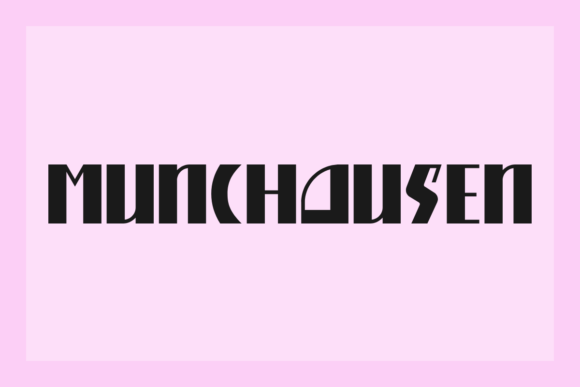
Munchausen draws inspiration from mid-century design, featuring rounded terminals, subtle geometric forms, and a friendly, approachable vibe. Its letterforms have a soft, almost hand-lettered quality that adds warmth without sacrificing legibility. Unlike stark, minimalist sans serifs, Munchausen carries a bit of retro flair—think vintage signage, classic packaging, or old-school advertisements. This gives it an inherent personality that can help inject character into your designs immediately.
What makes it particularly useful is its readability at various sizes. The generous x-height and open counters ensure that text remains clear whether used in headlines or shorter body copy. It’s a display font at heart, but one that doesn’t shy away from practicality. For designers, this means you can use it confidently for both large-scale posters and smaller digital elements without worrying about losing detail.
Practical Applications Across Projects
The true test of any typeface is how well it adapts to real-world projects. Munchausen shines in contexts where you want to convey a sense of creativity, approachability, or vintage charm. Here are some ways it can be effectively applied:
- Branding and Logo Design: For small businesses, startups, or personal brands seeking a friendly and memorable identity, Munchausen can serve as a primary logotype or complement other design elements. Its retro vibe works well for brands in lifestyle, food, craft, or artisanal spaces.
- Packaging Design: If you’re designing labels, boxes, or wrappers, this font can help evoke a handcrafted or nostalgic feel. It pairs nicely with illustrations and textured backgrounds, enhancing the tactile experience of physical products.
- Social Media Graphics: In the fast-scrolling world of social media, a distinctive font can help your posts stand out. Munchausen’s character makes it suitable for quotes, announcements, or promotional graphics that need to grab attention quickly.
- Websites and Blogs: While not ideal for long-form body text, Munchausen can be used effectively for headers, section titles, or call-to-action buttons on websites. It adds visual interest without cluttering the layout.
- Print Materials: From business cards to flyers and posters, this font adapts well to print. Its clear shapes reproduce reliably, even at smaller sizes, making it a practical choice for marketing collateral.
- Merchandise and Apparel: T-shirt designs, tote bags, and other merchandise often benefit from fonts with personality. Munchausen’s retro style lends itself well to slogans, logos, or artistic typography on wearable products.
- Invitations and Editorial Layouts: For event invitations, magazines, or zines, the font can contribute to a cohesive visual theme. It works particularly well in contexts where a touch of whimsy or nostalgia is appropriate.
Enhancing Brand Consistency and Recognition
Typography plays a crucial role in building a recognizable brand identity. Consistent use of a distinctive typeface like Munchausen across your touchpoints—from your website to your packaging to your social media—can help create a cohesive visual language. When customers see the same font repeatedly in different contexts, it reinforces brand recall and builds trust.
Moreover, the font’s friendly, approachable character can help shape how your audience perceives your brand. If your goal is to appear creative, accessible, or nostalgic, Munchausen supports that narrative visually. It’s not just about looking good; it’s about communicating the right message through every design choice.
Tips for Using Munchausen Effectively
While Munchausen is versatile, thoughtful application will yield the best results. Here are some practical considerations:
- Pairing with Other Fonts: Because Munchausen has a strong personality, it often works best when paired with a simpler, more neutral typeface for body text. Consider combining it with a clean sans serif or a classic serif for contrast. For example, use Munchausen for headings and a font like Open Sans or Lora for paragraphs.
- Readability in Context: Always test the font in the specific environment where it will be used. Check how it looks on different screen sizes, in print, or on textured backgrounds. Adjust spacing, sizing, and color as needed to ensure clarity.
- Exploring Font Styles: Many premium fonts, including Munchausen, may come with multiple weights or styles. Experiment with these to see how they can add hierarchy or emphasis to your designs without introducing another typeface.
- Licensing for Commercial Use: If you’re using Munchausen for client work, merchandise, or commercial projects, verify the licensing terms. Most premium fonts require a commercial license, so ensure you have the appropriate rights before publishing.
Ultimately, Munchausen is more than just a retro sans serif—it’s a tool for adding warmth and character to your creative work. Whether you’re designing a brand identity, crafting social media content, or developing packaging, its distinctive style can help your projects feel more engaging and memorable. By understanding its strengths and applying it thoughtfully, you can leverage this typeface to enhance both the aesthetics and effectiveness of your designs.