Walks More: The Rhythmic Script Font for Artisan Brands
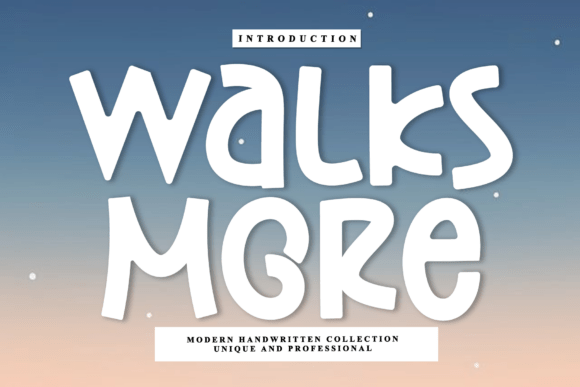
There’s a certain feeling you get when you hold a handwritten note from a friend or see the label on a small-batch jam at a farmers market. It’s personal, a little imperfect, and full of character. That’s the exact energy the Walks More font brings to a project. It’s not just another script typeface; it’s a tool for injecting warmth and a sense of crafted authenticity into your designs. With its sweeping, looping ascenders and a rhythm that feels both sophisticated and approachable, this font has a unique ability to make digital creations feel human and tangible.
So, what exactly sets this script font apart? Its design strikes a beautiful balance. It avoids the overly formal look of traditional calligraphy while steering clear of a casual, messy handwritten style. The result is a premium font that feels artisanal and intentional. Each letter flows into the next with a natural, connected motion, creating a visual melody that guides the eye. This makes it particularly effective for projects where you want to convey care, quality, and a personal touch without sacrificing legibility.
Where This Typeface Truly Shines
Think of Walks More as your secret weapon for projects that need to connect on an emotional level. Its personality is perfect for a range of creative applications, especially where a boutique or upscale feel is desired. For packaging design, it’s a standout choice. Imagine it on a label for organic skincare, a craft coffee bag, or a bottle of artisanal olive oil. The font’s organic curves complement products that are made with natural ingredients and care, instantly communicating a story of quality to the customer.
Beyond packaging, its strengths extend into the world of brand identity and logo design. A bakery, a boutique florist, a high-end stationery shop, or a lifestyle blog could build an entire visual identity around this typeface. It establishes a recognizable tone that is elegant yet welcoming. When used for a logo, it creates an immediate sense of character, making the brand feel established and trustworthy. Pair it with a clean, simple sans serif font for body text, and you have a professional and harmonious typographic system.
The applications in editorial design and marketing assets are just as compelling. Use it for the title of a cookbook, the headers in a lifestyle magazine, or the cover of a wedding invitation suite. In social media graphics, it can make quote cards, announcement posts, or promotional banners feel more personal and engaging. For a digital product like a printable planner or a recipe eBook, incorporating this font into the cover and section headers elevates the perceived value, making it feel like a curated, designer item rather than a simple document.
Practical Tips for Working With a Script Font
Choosing a beautiful font is one thing; using it effectively is another. Here’s some practical advice for integrating a typeface like Walks More into your work. First, always consider readability. While its looping style is gorgeous, it’s best suited for display purposes—think titles, headers, logos, and short phrases. Avoid using it for long paragraphs of body copy, as the intricate details can become tiresome to read at length. Its power is in creating impact at a glance.
Next, master the art of font pairing. The goal is contrast and harmony. A flowing script like this pairs beautifully with a geometric or humanist sans serif font (like Montserrat, Lato, or Open Sans) for supporting text. You could also pair it with a simple, modern serif font for a more classic, editorial look. The key is to let the script be the star of the show for headlines, while the secondary font handles the information-heavy work clearly and quietly.
Before you commit, always test the font in context. Mock up your logo on a business card. Place your headline on a website header preview. Check how it looks at different sizes and against various background colors. Pay attention to the included font styles—does it come with alternates, ligatures, or swashes? These extra glyphs can help you customize the look and avoid repetitive letterforms, adding another layer of uniqueness to your design.
Finally, don’t overlook the practicalities of commercial licensing. If you’re using the font for a client project, merchandise for sale, or widespread digital distribution, ensure you have the correct license. A reputable premium font will come with clear licensing terms that outline permitted uses, giving you peace of mind as you build your brand or deliver work to a client.
Building a Cohesive Visual Story
Ultimately, typography is a fundamental pillar of visual communication. The fonts you choose do more than spell out words; they set a mood, establish credibility, and build recognition. A consistent and well-chosen typeface like Walks More becomes a core part of your brand’s voice. When customers see that distinctive, rhythmic script across your website, your product packaging, and your Instagram posts, they begin to associate that style with your business. It becomes a recognizable signature that fosters trust and connection.
This level of consistency is what separates amateur projects from professional presentations. It shows thoughtfulness and attention to detail—qualities that audiences, whether they are readers, shoppers, or clients, inherently respect. By selecting a creative font that aligns with your project’s core values—be it elegance, creativity, warmth, or sophistication—you’re not just decorating a design. You’re building a coherent world for your audience to step into, making every interaction with your brand more meaningful and memorable.